
Tattoos With No Pain: How Surgery-Level Sedation Care Is Changing the Industry

For years, the tattoo experience has been defined by one expectation: pain is part of the process.
It was accepted. Even celebrated.
But as client expectations evolve and standards rise across every luxury-driven industry, tattooing is beginning to shift. The demand is no longer centered around endurance — it is centered around experience.
And with that shift, tattoos with no pain are no longer a question of possibility. They are becoming a new standard.
The Traditional Tattoo Experience Was Built Around Endurance
For decades, tattooing has carried an unspoken expectation: you sit through the pain, session by session, earning the final result over time.
For smaller pieces, this model works.
But for larger, more complex work, the limitations become clear:
- Sessions are broken into multiple appointments
- Fatigue affects both client and artist
- Progress is slowed by physical tolerance
- The experience can become something to endure rather than enjoy
Pain became part of the identity — but it also became a limitation.
Client Expectations Have Evolved
In nearly every modern industry, comfort and experience have become standard.
From healthcare to hospitality, clients expect environments that are:
- Controlled
- Professional
- Efficient
- Designed with their comfort in mind
Tattooing is no exception.
Today’s clients are not just looking for great art — they are looking for a refined, elevated experience that matches the level of investment they are making.
This is where tattoos with no pain begin to redefine expectations.
Why Tattoos With No Pain Are Gaining Momentum
The growing demand for no pain tattoos is not accidental. It reflects a shift in who is entering the tattoo space and what they expect from it.
More clients today are:
- Pursuing large-scale, detailed work
- Entering tattooing later in life
- Balancing professional lifestyles
- Looking for efficiency without compromising quality
For many, the barrier was never the art — it was the experience.
By removing that barrier, tattoos with no pain open the door to a broader, more intentional audience.
The Role of Surgery-Level Sedation Care
This shift is supported by a new level of infrastructure behind the scenes.
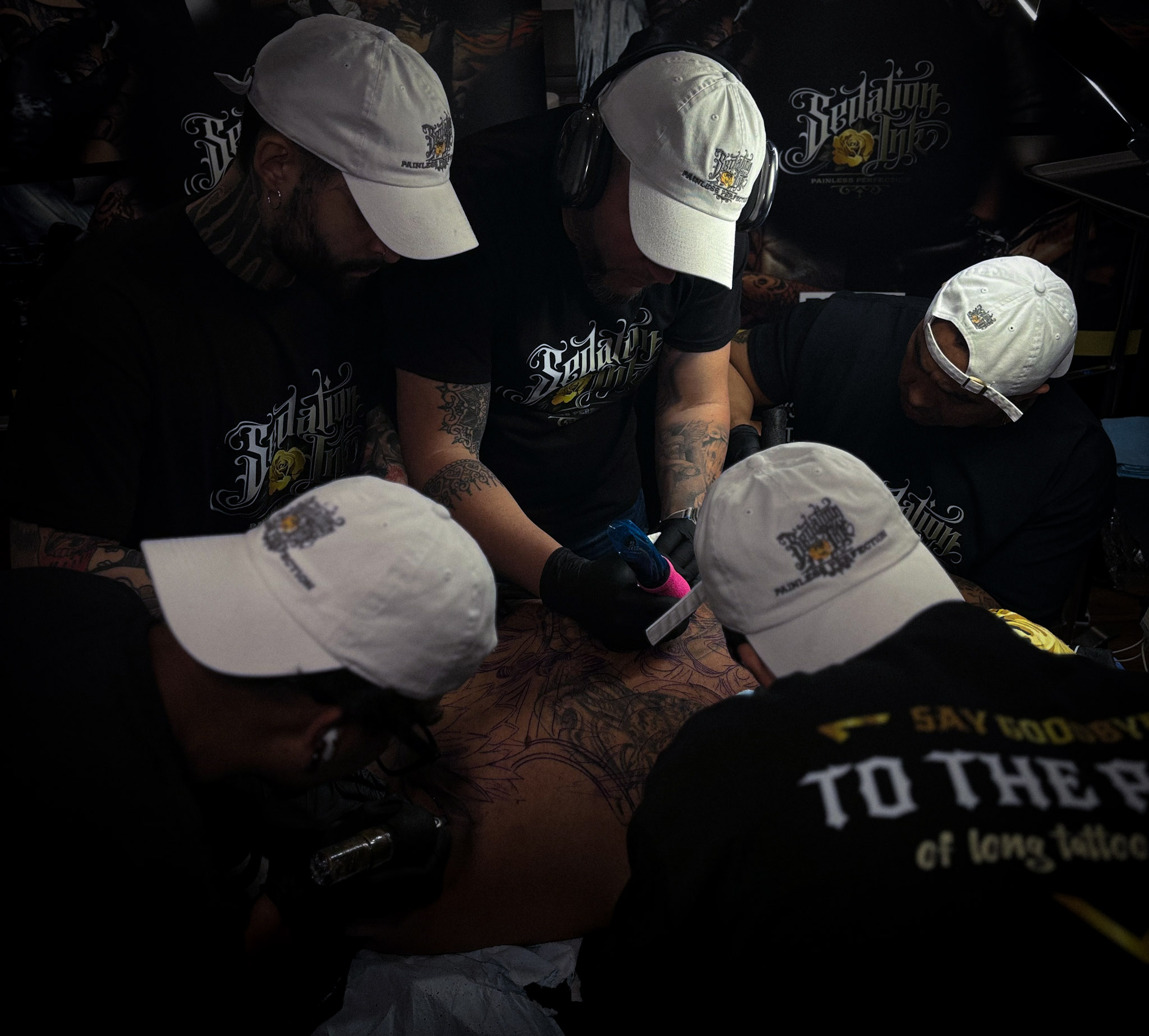
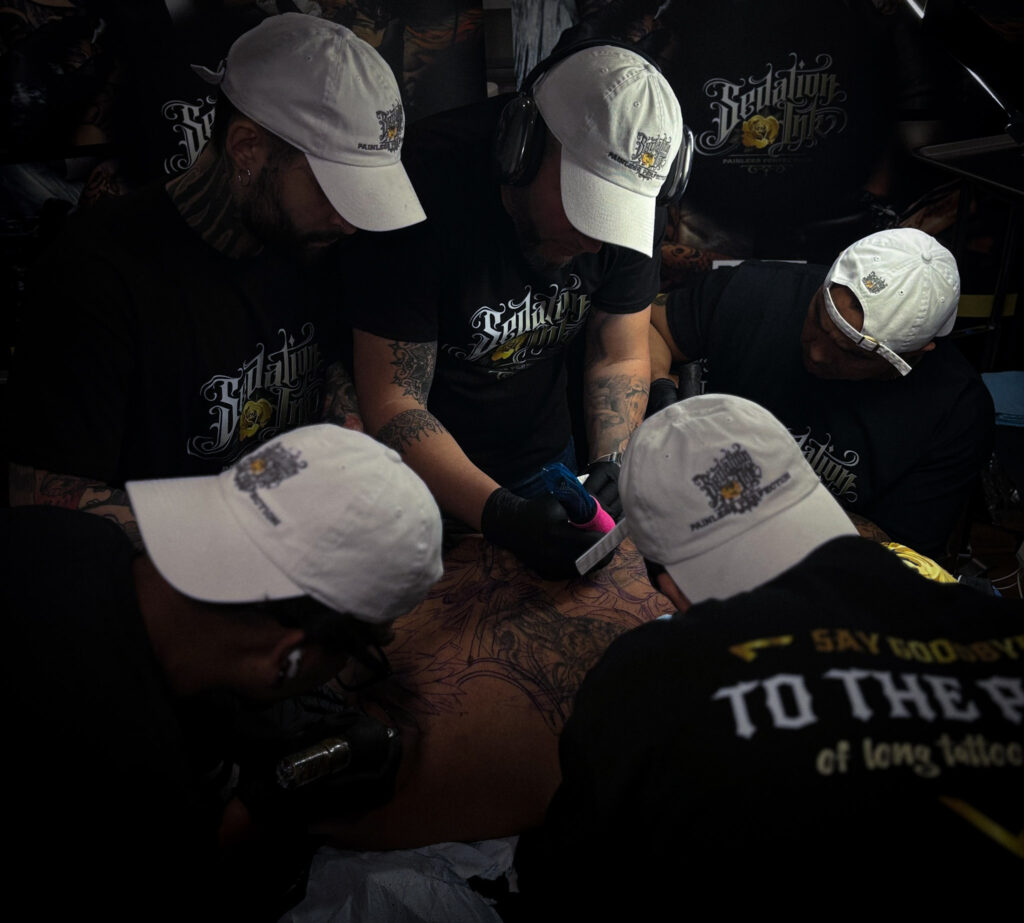
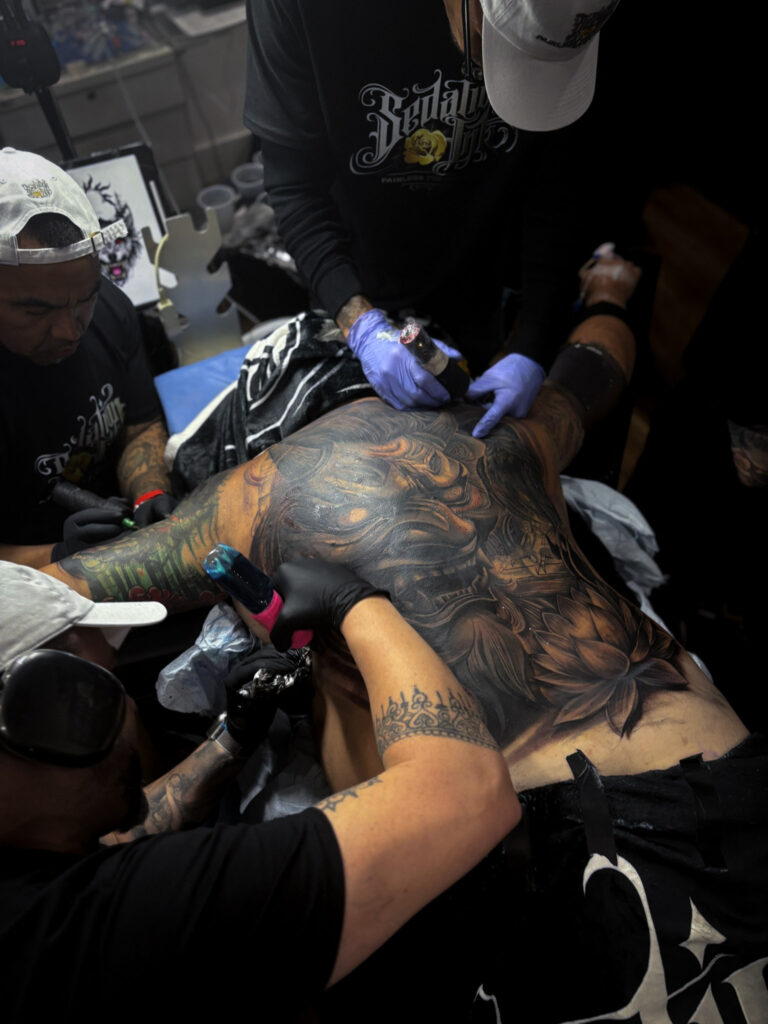
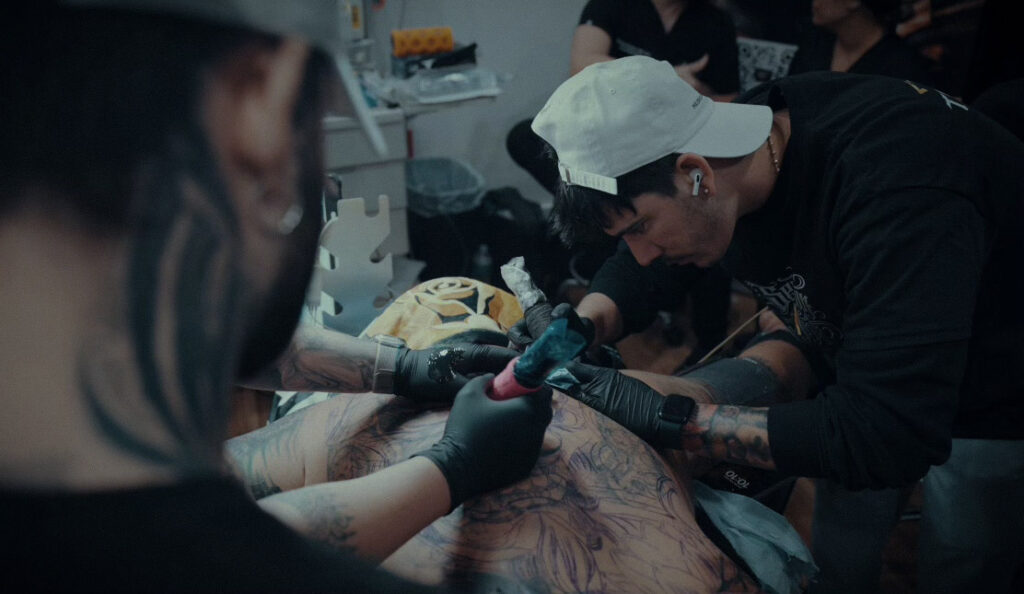
At Sedation Ink, tattoo sessions take place inside a licensed surgical center, where clients are supported by a professional medical team while artists work in coordinated precision.
The result is a controlled environment where:
- Comfort is maintained throughout the session
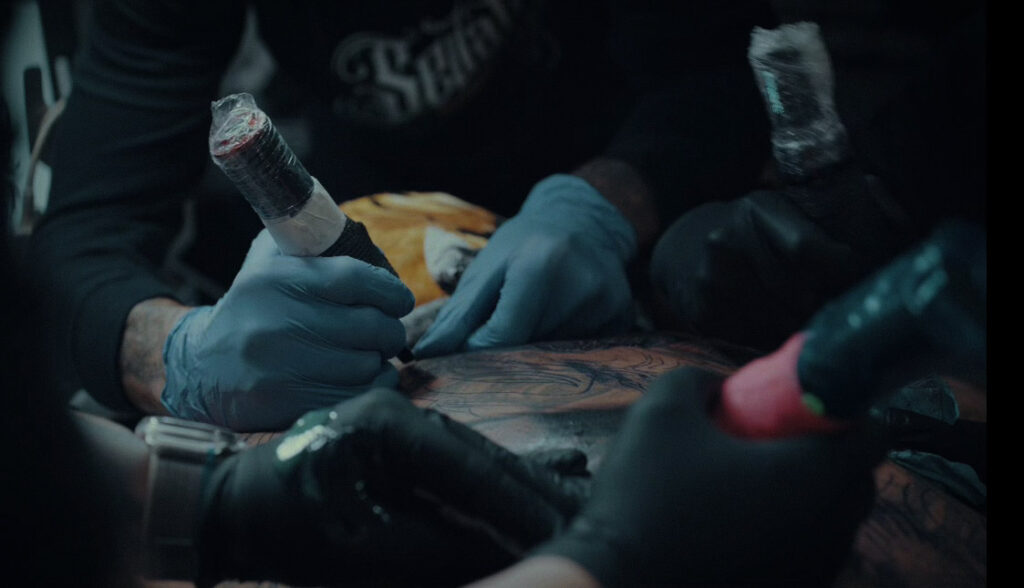
- Multiple artists can work efficiently
- Large-scale projects can be approached strategically
- The overall experience remains calm and structured
This is where luxury and professionalism intersect — not to replace traditional tattooing, but to expand what is possible within it.
What This Means for the Future of Tattooing
As expectations continue to evolve, the definition of the tattoo experience is changing.
Instead of asking how much can be endured, clients are beginning to ask:
- How efficient can this process be?
- How controlled can the environment be?
- How refined can the overall experience feel?
This shift does not remove tradition — it builds on it.
It introduces a new path for those who want a different level of experience.
A New Standard for Body Art
Tattooing has always been about expression, commitment, and artistry.
That has not changed.
What has changed is how that experience can be delivered.
Tattoos with no pain represent an evolution — one that aligns artistry with modern expectations of comfort, professionalism, and precision.
For those seeking more than just a tattoo session, this approach offers something different.
Something elevated.
Experience Tattooing Without Limits
For clients who value both artistry and experience, the possibilities are no longer limited by discomfort or time constraints.
With the right team, the right environment, and the right approach, tattooing becomes something more than a process.
It becomes a fully realized experience — designed with intention from start to finish.